
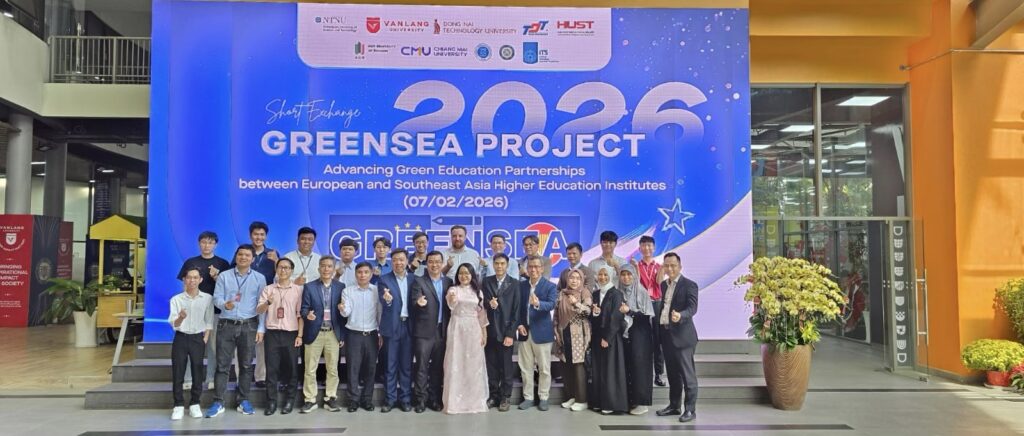
The Faculty of Science and Technology, Universitas Airlangga, continues to strengthen its global engagement. The faculty actively participates in the international GREENSEA project. This initiative forms part of the Erasmus+ Capacity Building in Higher Education scheme funded by the European Union.
Through this project, FST UNAIR supports Green Deal and digital transformation. Moreover, the initiative aims to enhance higher education quality across regions. The main focus covers Europe and Southeast Asia.
The GREENSEA project involves a strong international consortium. The consortium consists of ten universities from five countries. Norwegian University of Science and Technology (NTNU) serves as the project coordinator. Meanwhile, AGH University of Krakow represents the Polish partner.
In Southeast Asia, the project collaborates with leading universities. These partners come from Thailand, Vietnam, and Indonesia. From Indonesia, FST UNAIR works closely with Institut Teknologi Bandung and Institut Teknologi Sepuluh Nopember.
Curriculum Transformation and Academic Capacity Building
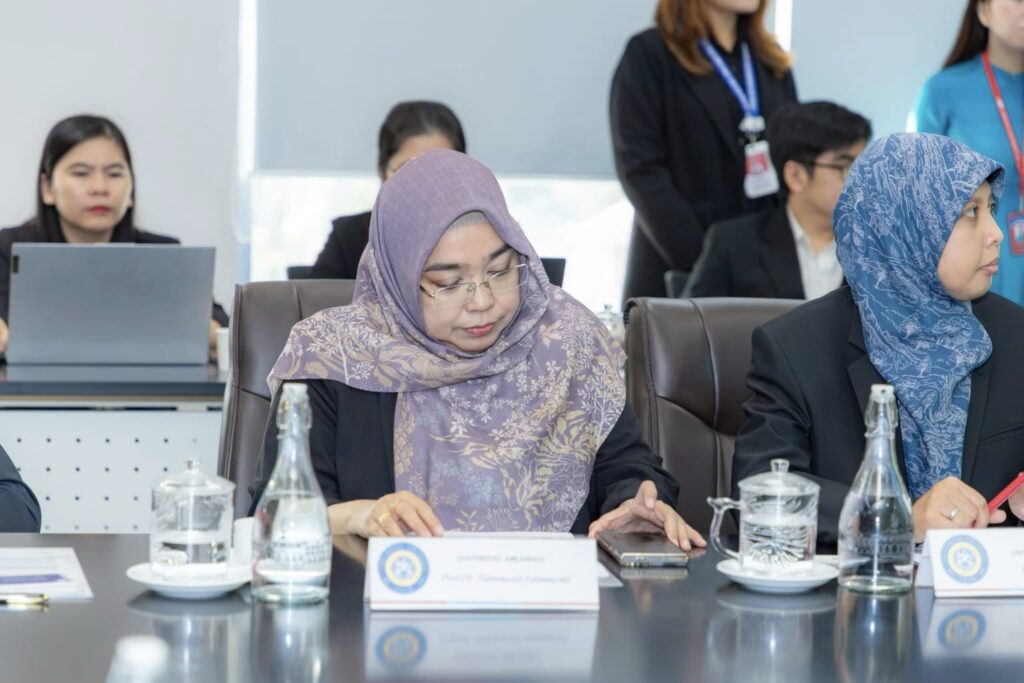
This collaboration aims to align curricula with global green economy standards. Therefore, the GREENSEA project promotes adaptive and inclusive engineering education. This approach directly addresses current climate challenges.
As a strategic partner, FST UNAIR contributes to national academic standard alignment. The faculty also supports the development of innovative learning modules. These modules align with Green Deal principles and digital transformation goals.
In addition, the project strengthens digital infrastructure. This infrastructure improves access to quality learning resources. As a result, academic communities benefit from more equitable learning experiences.
Global Collaboration for Sustainable Education
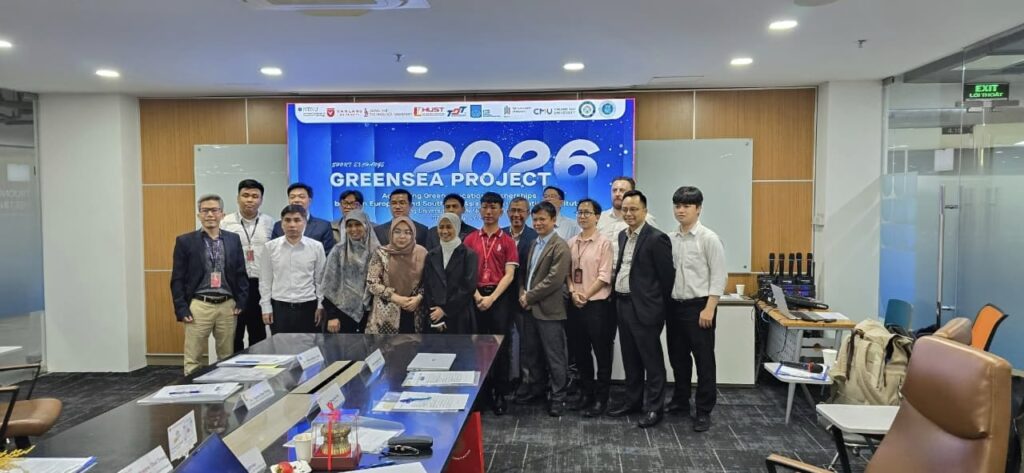
The GREENSEA project will run for 36 months. Implementation starts in 2026 and ends in 2028. During this period, FST UNAIR targets sustainable teaching modernization.
Resource efficiency integration remains a key priority. Digitalization also supports innovative learning processes. Through these efforts, the faculty prepares graduates with global competencies.
Looking ahead, FST UNAIR commits to advancing impactful educational innovation. The faculty also enhances lecturer and student capacity. Furthermore, multiple units will develop interdisciplinary learning modules.
Ultimately, FST UNAIR acts not only as a consortium member. The faculty also serves as an active contributor. This role reinforces its position in shaping sustainable science education in Southeast Asia.
The Best Science With Morality
UNAIR #Erasmus+ #QualityEducation(SDG4) #ClimateAction(SDG13) #PartnershipsForTheGoals(SDG17)